


Supporting drivers means boosting fleet performance
The daily routine of delivery drivers is changing. Routes are becoming more congested, time windows are tightening, and unloading situations are increasingly demanding. At the same time, it is becoming harder for fleet operators to attract and retain qualified drivers.
The strain isn't just on the road. A large part of the daily workload happens right at the vehicle: searching for the right goods, moving cargo units, rearranging the load space, handling returns, and unloading under time pressure.
This is exactly where Hubwalter comes in.
A driver's workspace doesn't end at the steering wheel
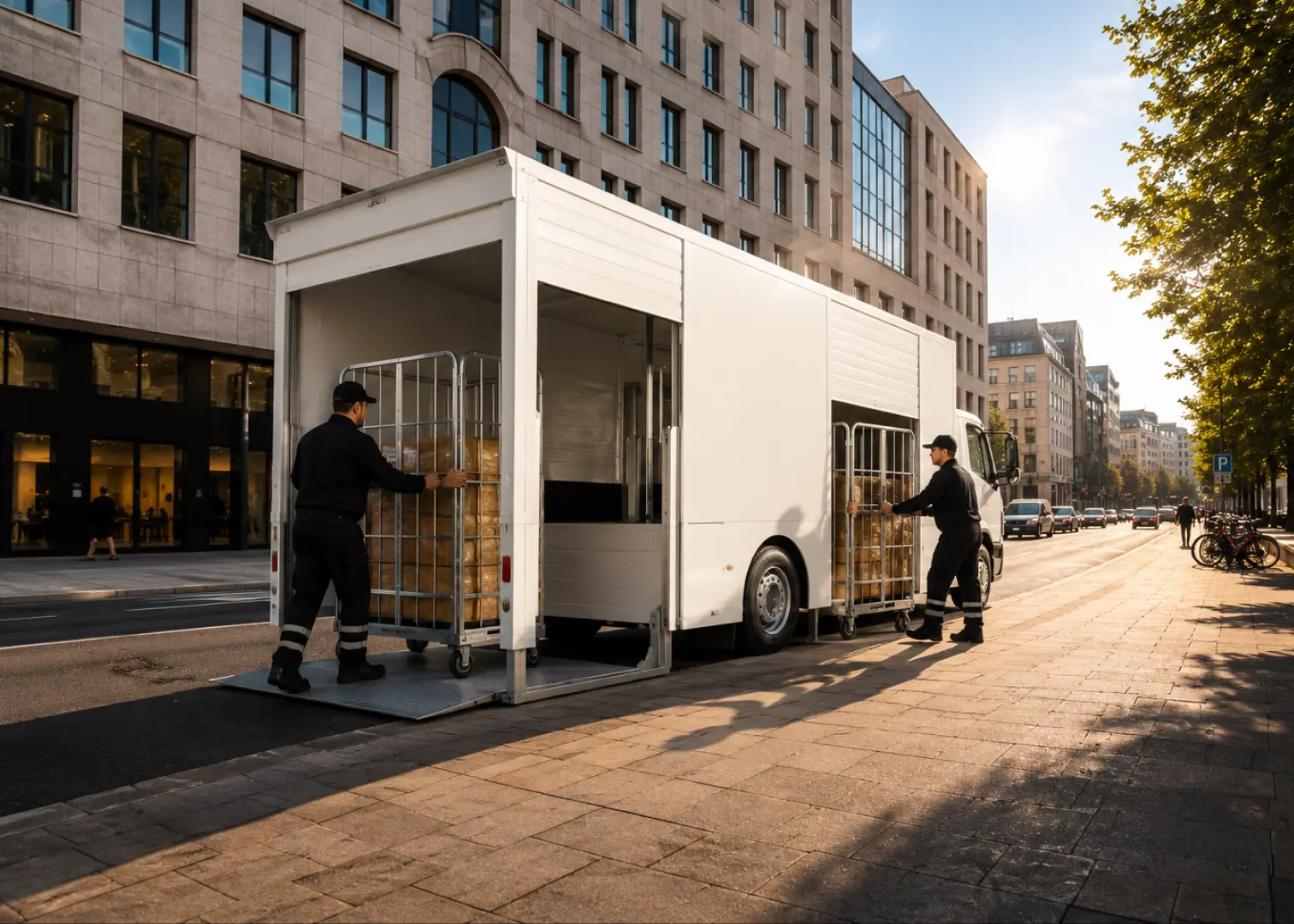
For many delivery routes, the stop is the critical moment of work. The vehicle pulls up, the driver opens the cargo area, searches for the correct shipment, moves other cargo units aside, and delivers the goods to the customer. This process repeats itself at every stop.
What takes only a few minutes in a single instance adds up to a significant amount of time and physical effort over the course of a day. It becomes particularly challenging in tight loading zones, with varying cargo positions, returns, or changing load types.
Hubwalter therefore views the driver's workspace not just from the perspective of driving, but from the perspective of the entire route process.
Less searching, less rearranging, better access
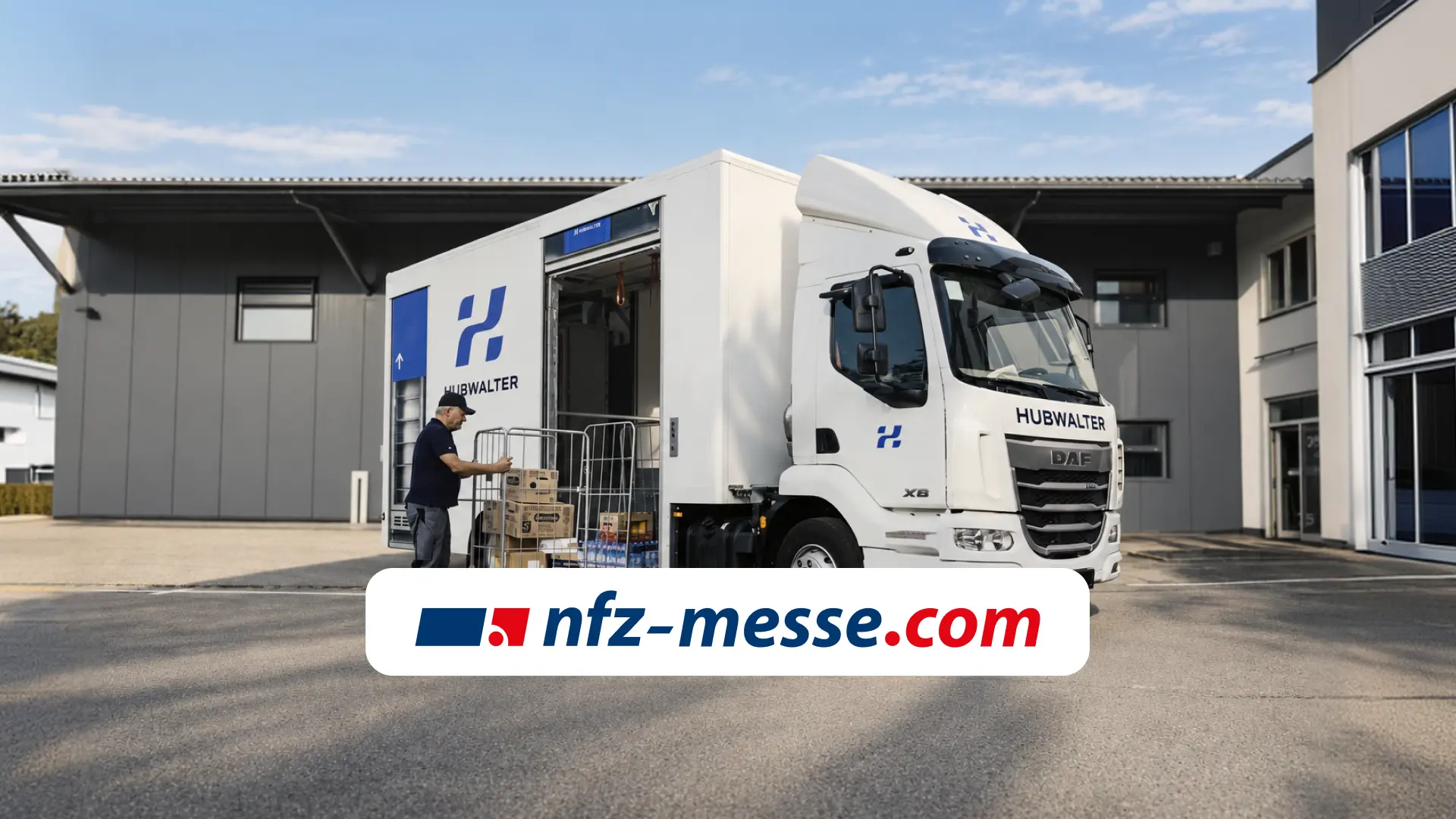
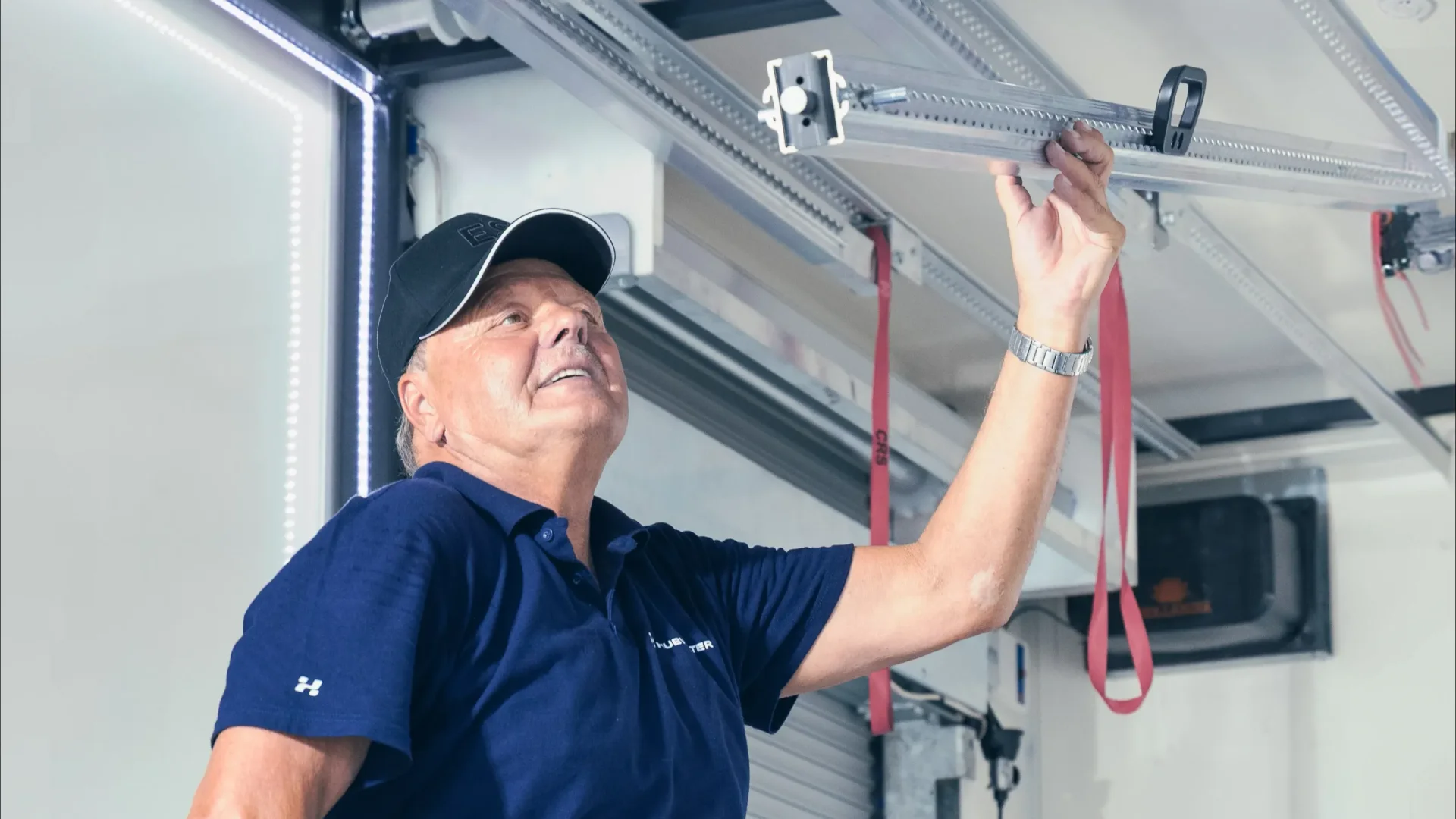
The Hubwalter system combines a closed box body with multi-sided cargo access, internal lift systems, and structured loading zones. The goal is to make accessing goods directly at the stop easier, faster, and more ergonomic.
When drivers can reach the required goods more precisely, they spend less time searching, rearranging, and walking unnecessary distances. At the same time, the internal lift systems help bring cargo units to a comfortable working height or lower them to ground level.
This creates a more structured workflow around the vehicle.
Relief is a productivity factor
Reducing driver strain is not just a matter of comfort; it is an operational factor. By reducing physically demanding and time-consuming processes, you improve route predictability, minimize friction, and increase fleet efficiency.
This is becoming increasingly important in urban and regional multi-stop logistics. Fleet operators are tasked with managing more stops, tighter time windows, and rising daily demands with limited resources.
Hubwalter can help here: not through a single component, but through a vehicle system that reorganizes the workflow at the stop.
Because high-performing fleets aren't just built by adding more vehicles. They are built by making daily work easier, safer, and more efficient for drivers.
